
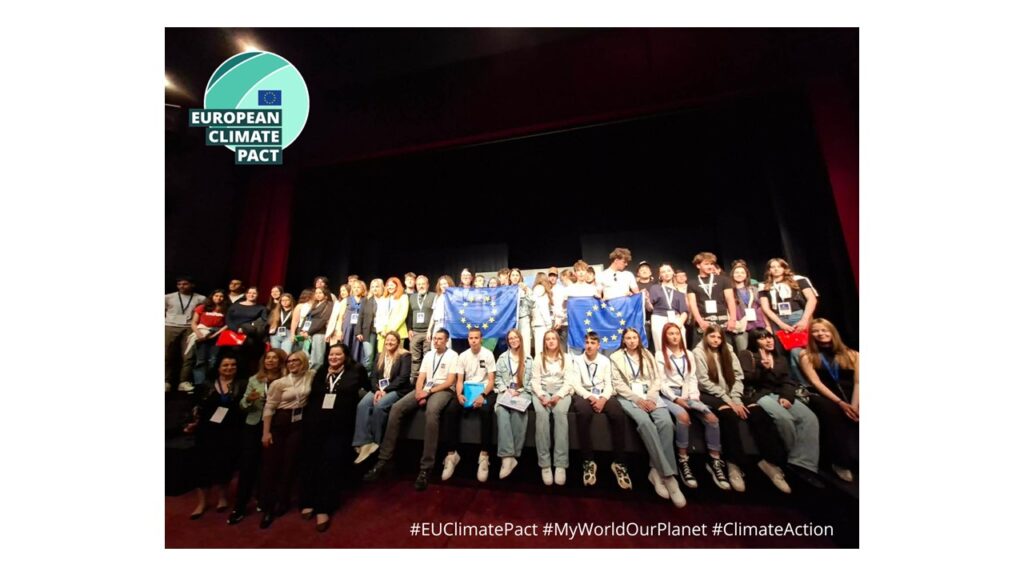
INZEB at the event “EPAS Schools in Action: From Education to Active European Citizenship”
On Wednesday, 22 April 2026, INZEB participated in the event “EPAS Schools in Action: From Education to Active European Citizenship” held in Kefalonia, Greece, within the framework of the Europe Day 2026 celebrations. This study day addressed key issues related to contemporary education and democratic participation, highlighting topics such as misinformation, media and democracy, as
POWERINGCITIZENS Policy Memo
We are pleased to announce the publication of the POWERINGCITIZENS Policy Memo, developed within the framework of the POWERINGCITIZENS project which is funded by the European Commission through the CERV Programme. The memo examines how national energy and climate policies address the growing challenge of energy poverty in Germany, Italy, Albania, the Netherlands, Kosovo, and
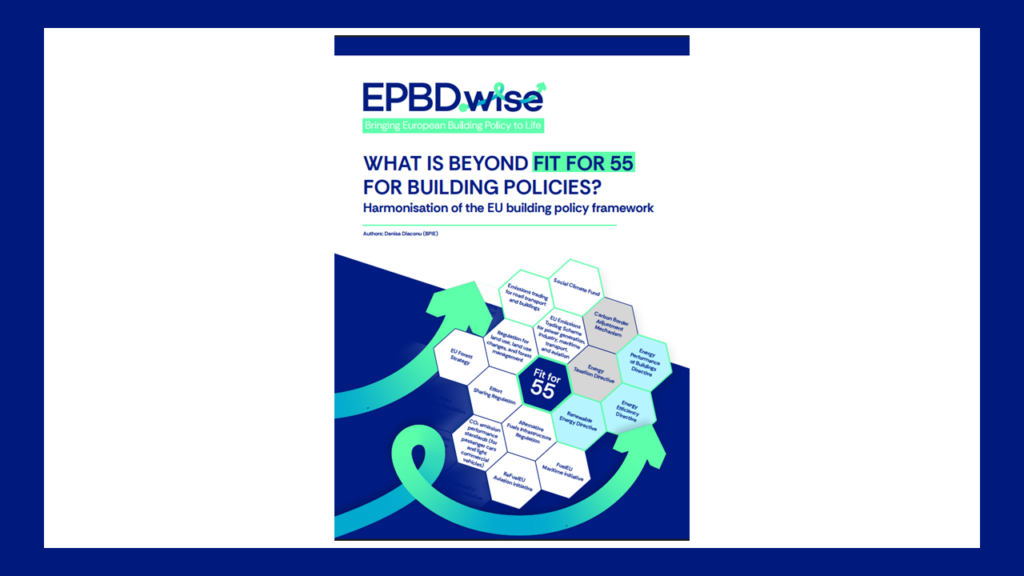
What is Beyond Fit for 55 for Building Policies?
How can the different legislative pillars of the Fit for 55 package work together more effectively to accelerate building decarbonisation? Five years after its introduction, the Fit for 55 package remains the foundation of the European Union’s climate and energy policy framework. While its legislative instruments were designed to operate as an integrated package, ensuring
Guidelines for the Development of a ZEB Definition
How can Member States define and implement Zero-Emission Buildings under the revised Energy Performance of Buildings Directive? As the European Union moves towards implementing the recast Energy Performance of Buildings Directive (EPBD), the definition of Zero-Emission Buildings (ZEBs) has become one of the most important technical and policy challenges facing national authorities. Establishing clear and
Climate Change and Social Vulnerability: Why Adaptation Must Start with the Most Vulnerable
We are very pleased to share a new article featured in GreenBusiness.gr, written by EU Climate Pact Ambassador, Evi Makri. The article examines the concept of social vulnerability in the context of climate change and its close connection to economic and class-related factors such as income, housing conditions, and location. The author highlights the greater exposure
Transforming the Agri-Food System Toward Sustainability: Environmental, Economic, and Social Dimensions
We are glad to share a new article featured in GreenBusiness.gr, written by EU Climate Pact Ambassador, Dr. Theofanis Zacharatos. The article discusses the crucial goal of transforming the agri-food and agricultural sector into a more sustainable and just model. The author examines the environmental, financial, and social dimensions of this structural change, as well
The Green Transition in Shipping: The Role of Financing
A new article has been featured in Green Business.gr, written by European Climate Pact Ambassador, Thanos Georgountzos. The article discusses how sustainability has emerged as a core pillar in shipping through the adoption of ESG criteria, examines international frameworks (e.g. Poseidon Principles) that are reshaping maritime finance, and highlights the challenges of moving global shipping
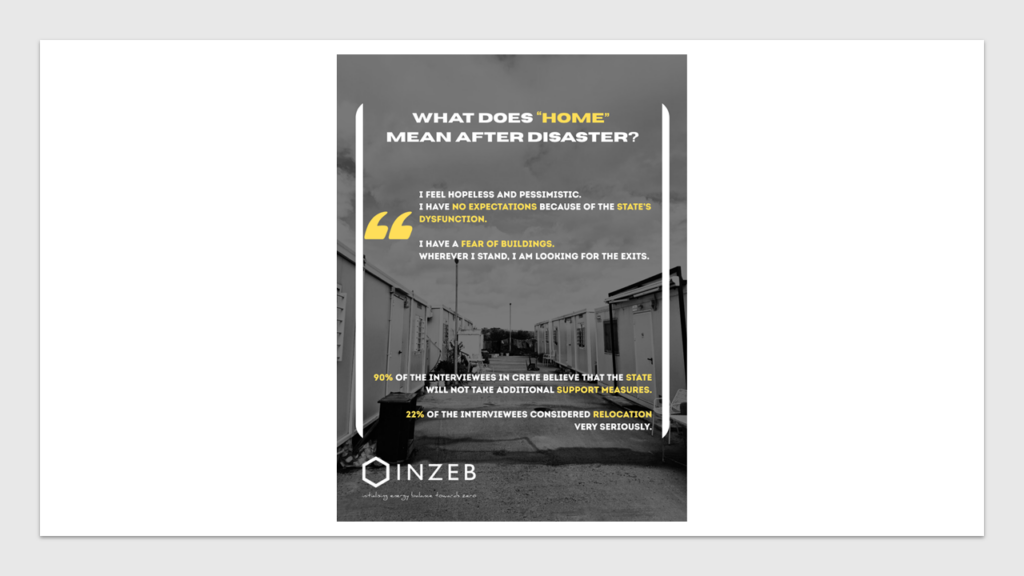
Helping Homes Become Resilient in Climate Affected Crete
Listening to and interviewing flood-affected populations in the region of Crete, Greece, five years after the earthquake at Arkalochori village, the initial findings of our field research are shocking. The scale of destruction is enormous, but so is the trauma experienced by people who have lost their homes following the extreme climate events. Through our
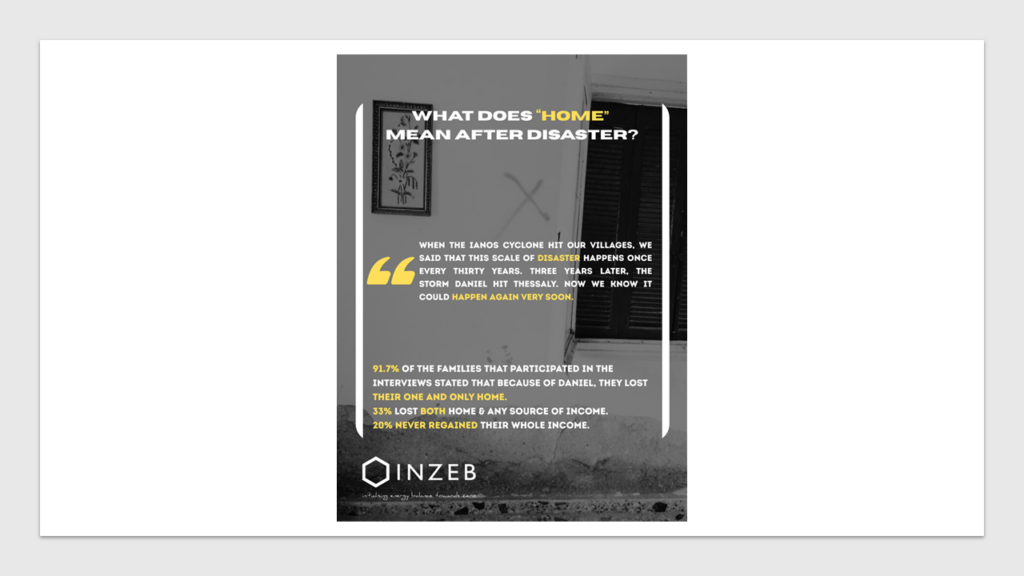
Helping Homes Become Resilient in Climate Affected Thessaly
Listening to and interviewing flood-affected populations in the region of Thessaly, Greece, three years after Storm Daniel, the initial findings of our field research have revealed shocking realities. The scale of destruction is enormous, but so is the trauma experienced by people who have lost their homes following the extreme climate events. Through our project,“Helping